
Anchor Your Mind. Find Relief from the Cycle.
Online OCD therapy in Illinois and Colorado for children, teens, and adults experiencing intrusive thoughts, compulsive behaviors, anxiety, and distress related to obsessive compulsive disorder. Evidence-based treatment helps reduce symptoms, increase flexibility, and restore daily functioning.
Virtual Therapy Available Across Illinois and Colorado | Now Accepting Medicare, Blue Cross Blue Shield (BCBS), United, Cigna, and Aetna
Online OCD Therapy in Illinois and Colorado
-
Common Issues Treated: Intrusive thoughts, compulsive behaviors, checking, reassurance seeking, contamination fears, harm obsessions, perfectionism, rumination, anxiety, distress intolerance
-
Therapies Offered: CBT for OCD, exposure and response prevention (ERP), mindfulness-based strategies, trauma-informed care
-
Session Format: Virtual OCD therapy sessions, 60 minutes
-
Therapist Focus: Structured, compassionate care focused on reducing compulsions and increasing tolerance for uncertainty
-
Insurance Accepted: Medicare, Blue Cross Blue Shield (BCBS), Aetna, United, Cigna
-
Location: Online OCD therapy available throughout Illinois and Colorado
-
Accessibility: Secure, HIPAA-compliant telehealth platform
How does OCD therapy help reduce obsessions and compulsions?
OCD therapy helps by changing how the brain responds to intrusive thoughts and urges. Evidence-based approaches like CBT and exposure and response prevention teach clients to notice thoughts without engaging in compulsions. Over time, this reduces anxiety and weakens the OCD cycle.
Instead of trying to eliminate thoughts, therapy focuses on changing reactions to them. As a result, clients learn to tolerate discomfort while regaining control over daily life. virtual OCD therapy
tual ADHD therapy




You’re Not Dangerous, Broken, or Out of Control. This Is How OCD Works.
OCD often causes thoughts that feel disturbing, unwanted, or completely out of character. Because of this, many people feel ashamed or afraid to talk about what they experience. However, intrusive thoughts do not reflect intent or values.
OCD is a neurobiological condition, not a personal failure. At Anchor Health Counseling, we help you understand how OCD operates so you can stop fighting your mind and start responding differently.
You might benefit from virtual OCD therapy if you’re struggling with:
Intrusive or unwanted thoughts
Compulsions such as checking, counting, or repeating
Excessive reassurance seeking
Fear of contamination, harm, or making mistakes
Mental rituals or rumination
Difficulty tolerating uncertainty
Anxiety that feels hard to shut off
Can OCD therapy help with intrusive thoughts?
Yes, OCD therapy specifically targets intrusive thoughts by teaching clients how to respond without engaging in compulsions or reassurance. Over time, this reduces distress and helps thoughts lose their intensity and power.
Skills are practiced both during and between sessions.
Satisfied clients helped over the years
Years of combined therapist experience
Virtual sessions held
Submit anytime — we’ll respond within 24h
How long does OCD therapy take to work?
The timeline for OCD therapy varies based on symptom severity, consistency, and individual goals. Some clients notice improvement within weeks, while others benefit from longer-term treatment. Progress is reviewed regularly and therapy is adjusted as needed.
You may have tried reasoning with your thoughts, avoiding triggers, or pushing anxiety away. Yet OCD often grows stronger with these strategies. Therapy offers a different path by helping you face discomfort safely while breaking the cycle that keeps OCD going.
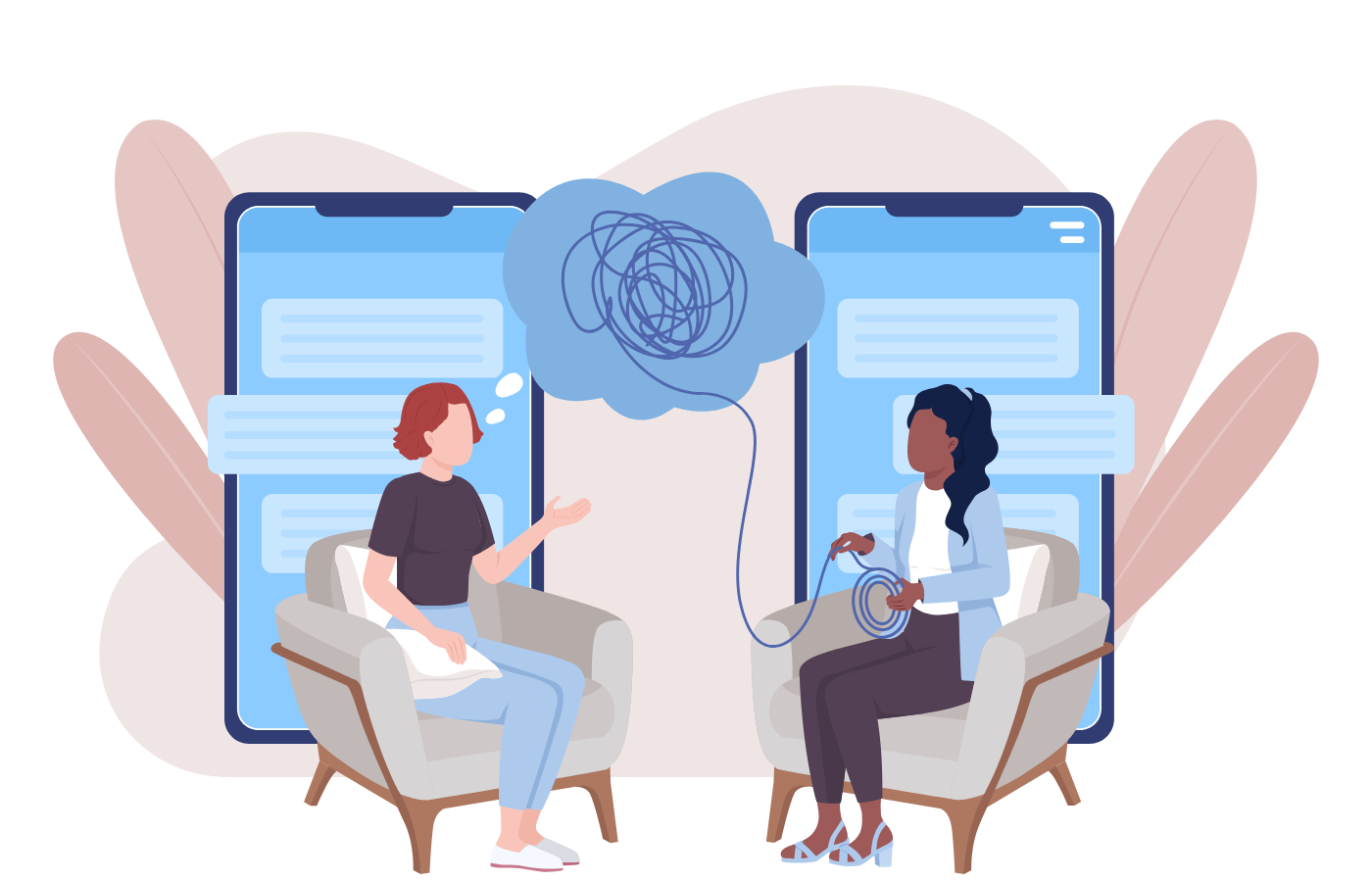
Therapy That Gets What OCD Really Feels Like
At Anchor Health Counseling, our licensed therapists specialize in OCD therapy that is evidence-based, structured, and supportive. We work with children, teens, and adults to help reduce symptoms while building confidence and resilience. virtual OCD therapy
tual ADHD therapy
We make it easy to get started:
Intake: You complete a short online form and share your concerns, goals, and availability so we can match you with the right therapist.
Assessment: Your therapist takes time to understand your personal history, current challenges, strengths, and what you want to work on in therapy.
Treatment: Evidence-based approaches such as CBT, DBT, ACT, and trauma-informed care are used to help you recognize patterns, process emotions, and build practical coping skills.
Integration: You begin applying new tools, insights, and emotional regulation strategies into your daily life, relationships, and routines.
Follow-Up and Continued Support: Your therapist collaborates with you on progress, long-term growth, and next steps, adjusting care as your needs evolve.
Begin Your Journey to Relief Today
With 25+ years of combined experience, we understand that OCD can feel exhausting and isolating. That is why our approach is never rushed or one-size-fits-all. We are here to help you move toward relief with clarity and support.
- Serving adults, teens, and children virtually across Illinois and Colorado
- Next-day appointments often available
- Free consultations | Secure, HIPAA-compliant platform
- OCD-informed therapists who understand the cycle
Frequently Asked Questions About Virtual OCD Therapy

What is virtual OCD therapy, and how does it work?
Is online therapy as effective as in-person therapy?
What issues does OCD therapy address?
OCD therapy addresses intrusive thoughts, compulsive behaviors, anxiety, rumination, and distress related to uncertainty. Treatment focuses on reducing the impact of OCD on daily life.
Treatment is tailored to each individual.
How soon can I get started?
Who can benefit from OCD therapy at Anchor Health Counseling?
Children, teens, and adults experiencing OCD symptoms can benefit. You do not need a formal diagnosis to seek support.
Do you accept insurance for virtual OCD therapy?
Yes, we proudly accept Medicare, Blue Cross Blue Shield (BCBS), Aetna, Cigna, and United Healthcare. We’ll help verify your benefits and guide you through the process so you can focus on healing.
Sources and Evidence
-
National Institute of Mental Health (NIMH). Obsessive compulsive disorder is a well-researched mental health condition, and psychotherapy is a core component of effective treatment.
-
Mayo Clinic. Cognitive behavioral therapy, including exposure and response prevention, is considered a first-line treatment for OCD.
Start Your Journey Today

Virtual Therapy Available Across Illinois and Colorado